Commercial analytics for identifiers such as 27971643, 120173303, 6988675962, 621624517, 926004608, and 8662847625 reveals critical insights into market dynamics. By systematically analyzing these data sets, organizations can identify emerging trends and optimize strategic decision-making. This analytical approach not only enhances operational efficiency but also aligns resources with consumer needs. Understanding these patterns can significantly impact a business’s ability to innovate and stay competitive. What implications could these insights hold for future strategies?
Understanding the Data Sets: An Overview of Identifiers
In the realm of commercial analytics, understanding the data sets that underpin analysis is crucial, especially when it comes to identifiers.
Different identifier types play a pivotal role in data categorization, allowing analysts to effectively segment and interpret vast amounts of information.
Analyzing Trends and Patterns in Commercial Analytics
While identifying patterns and trends is a fundamental aspect of commercial analytics, it requires a systematic approach to data interpretation.
Effective trend forecasting hinges on accurate data collection and sophisticated pattern recognition techniques. Analysts must employ robust methodologies to discern meaningful insights that reflect market dynamics, enabling organizations to adapt strategies and enhance decision-making processes that align with evolving consumer behaviors and preferences.
Strategic Decision-Making Driven by Data Insights
Harnessing data insights for strategic decision-making is crucial for organizations aiming to achieve competitive advantage.
By leveraging data driven decisions and employing predictive modeling, businesses can anticipate market trends, evaluate risks, and identify growth opportunities.
This analytical approach enables leaders to make informed choices, aligning resources effectively and fostering innovation, ultimately enhancing their strategic positioning in an increasingly competitive landscape.
Enhancing Operational Efficiency Through Analytics
Operational efficiency stands as a critical objective for organizations striving to optimize their processes and resources.
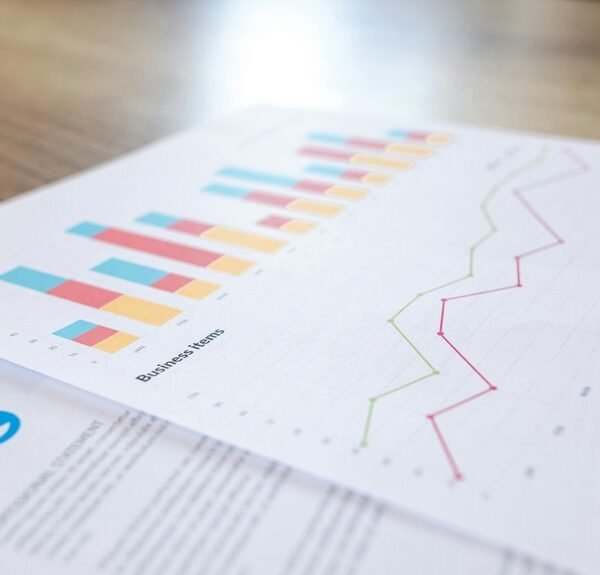
By employing data visualization techniques, companies can gain insights into operational bottlenecks. Furthermore, predictive modeling facilitates proactive adjustments to workflows, enabling better resource allocation.
Collectively, these analytics tools empower organizations to enhance productivity, reduce costs, and foster a culture of continuous improvement in their operations.
Conclusion
In conclusion, commercial analytics serves as a compass guiding organizations through the vast seas of data. By understanding identifiers, analyzing trends, and leveraging insights, businesses can navigate challenges, optimize resources, and seize growth opportunities. This structured approach not only enhances operational efficiency but also fosters innovation and adaptability. Ultimately, the integration of data-driven strategies empowers organizations to stay ahead of the curve, ensuring they remain competitive in an ever-evolving marketplace.