The Advanced Corporate Analytics Report for the specified entities highlights critical data points essential for informed decision-making. It identifies key trends that can significantly influence strategic outcomes. Furthermore, it offers strategic recommendations aimed at enhancing operational efficiency. The report emphasizes the need for effective implementation of advanced analytics. This systematic approach may reshape corporate strategies in the face of evolving market dynamics, raising questions about future adaptability and innovation.
Overview of Data Points
In the realm of corporate analytics, a comprehensive understanding of data points serves as the foundation for informed decision-making.
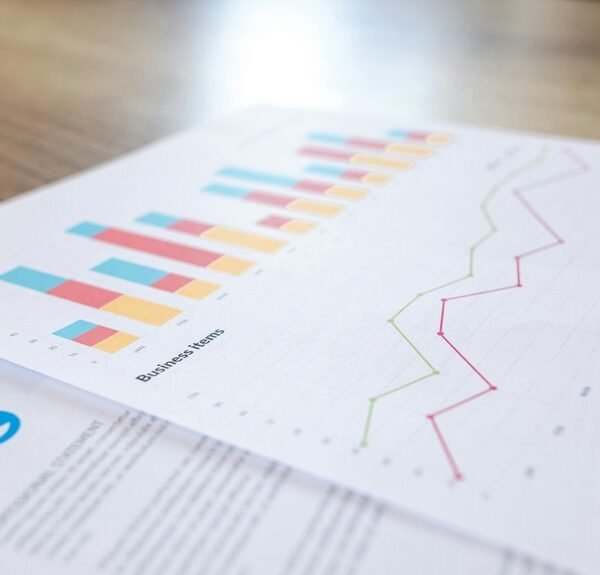
Data visualization techniques transform complex datasets into accessible formats, facilitating clarity and insight.
Predictive modeling further enhances this process by forecasting potential outcomes based on historical data.
Together, these methodologies empower organizations to navigate uncertainties and seize opportunities, fostering a culture of analytical freedom and strategic agility.
Key Trends and Insights
Recognizing key trends and insights from data analytics can significantly enhance an organization’s strategic direction.
Emphasizing data visualization enables clearer interpretation of complex datasets, facilitating informed decision-making.
Furthermore, the integration of predictive modeling allows organizations to anticipate market shifts and consumer behavior, driving proactive strategies.
Collectively, these trends empower businesses to navigate uncertainties and optimize operational effectiveness, fostering a culture of adaptability.
Strategic Recommendations
As organizations seek to leverage data analytics for competitive advantage, adopting strategic recommendations becomes essential for aligning analytical capabilities with business objectives.
Emphasizing data-driven decisions fosters a culture of informed decision-making, while focusing on performance optimization enhances operational efficiency.
Integrating these strategies allows companies to harness analytical insights effectively, driving growth and sustaining a competitive edge in an increasingly dynamic market landscape.
Implementation of Advanced Analytics
The successful implementation of advanced analytics requires a systematic approach that integrates technology, processes, and people.
Effective data integration is crucial, ensuring that disparate data sources are harmonized for comprehensive analysis.
Furthermore, employing predictive modeling techniques allows organizations to forecast trends and make informed decisions.
This structured methodology empowers businesses to harness analytics, fostering a culture of data-driven freedom and innovation.
Conclusion
In conclusion, as organizations strive to embrace advanced corporate analytics, one might ironically wonder if the real challenge lies not in the complexity of data but in the simplicity of their resistance to change. While the report emphasizes the necessity of data-driven insights for strategic decision-making, it is the reluctance to adapt that often stifles innovation. Thus, the path to success may hinge less on the analytics themselves and more on the willingness to embrace a culture of transformation.