Industrial Protection Works Best as a System
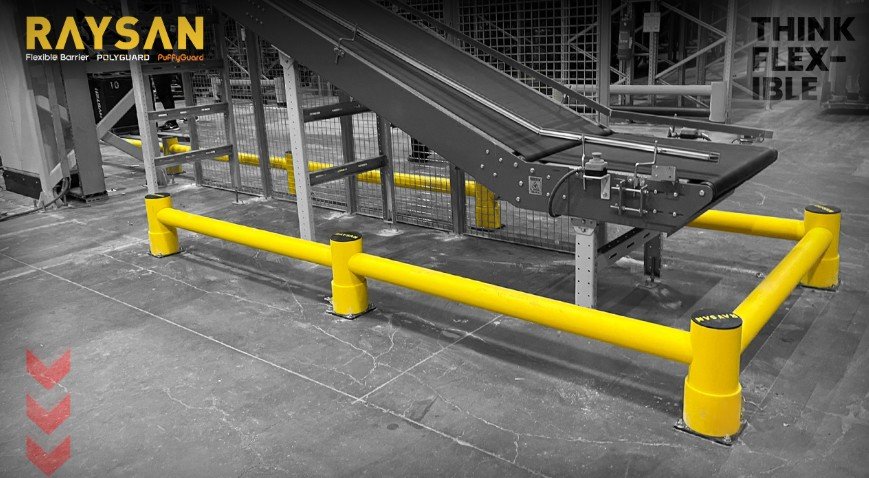
Facilities with regular vehicle traffic cannot treat safety as a single checkpoint. Warehouses, production spaces, and logistics sites all contain multiple risk layers, from pedestrian exposure to rack vulnerability and route management. Raysan’s official site presents Flexible Barrier solutions as part of a broad system that includes traffic and safety barriers, pedestrian barrier, rack protection, column and corner barriers, and other categories tailored to different applications. That matters because industrial protection tends to work best when it is designed around the full environment rather than around one isolated hazard. A stronger safety result usually comes from combining route control, impact management, and infrastructure protection.
Traffic Separation Is a Daily Operational Need
A safety barrier supports more than emergency prevention. It helps organise routine movement so that busy areas remain more predictable throughout the workday. Raysan’s article on safety barriers explains that these systems protect both pedestrians and vehicles in industrial areas and are especially useful in warehouses, production zones, and logistics centres with frequent forklift traffic. The article also points to benefits such as impact absorption, long-lasting use, reduced repair demand compared with steel barriers, and recyclability. Those features show why barrier selection is closely tied to day-to-day performance. The aim is not only to reduce severe incidents, but also to create a clearer operating environment where common movement patterns are safer and easier to manage.
See also: What Makes a Good Employee Pay Stub Template?
Rack Safety Deserves Dedicated Attention
Alongside route control, rack protection remains one of the most practical priorities in storage-focused facilities. Raysan’s rack protection category includes solutions such as RackFort EDGE, RackFort ARC, rack end barriers, and RackWall, and the category text explains that these products can protect shelf legs, shelf heads, shelf ends, and areas behind shelves. This is important because damage to racks can affect much more than the frame itself. It can influence stock security, worker confidence, and the overall reliability of the storage system. When a facility approaches safety through both movement control and focused rack protection, it gains a more complete strategy. That strategy helps preserve infrastructure, support safer circulation, and keep industrial operations running with fewer avoidable disruptions.
The strongest industrial safety results usually come from layered thinking. Route control, impact management, and rack-focused protection each solve a different part of the same problem. When these elements are combined intelligently, the facility gains more than physical protection. It gains a clearer operating structure. That structure helps people move with greater confidence, keeps key assets safer, and supports a more stable workflow during busy periods. In industrial environments where movement and storage are tightly connected, a system-based approach to protection remains one of the most practical long-term investments a business can make. That added clarity is especially valuable in sites where forklifts, staff, and storage infrastructure must coexist in a limited and constantly active space. That is why integrated protection remains more effective than isolated fixes added one area at a time. It supports a safer environment without fragmenting the facility into disconnected protection measures.