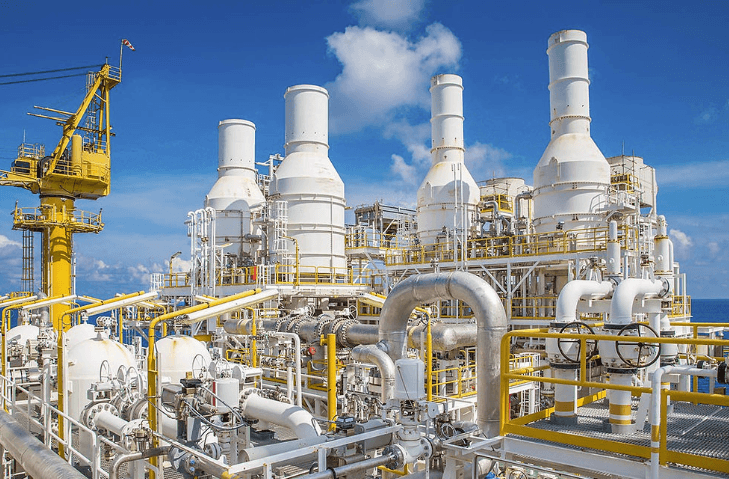
In the realm of industrial engineering, ensuring the safety, efficiency, and durability of piping systems is critical. A piping stress engineer plays a pivotal role in designing, analyzing, and maintaining these systems, ensuring they withstand the pressures and loads of operational environments. This article explores the responsibilities, tools, techniques, and career insights of a piping stress engineer.
What is a Piping Stress Engineer?
A piping stress engineer is a specialized professional responsible for analyzing piping systems to ensure they can handle thermal expansion, pressure variations, and mechanical loads without failure. These engineers work closely with design teams, mechanical engineers, and project managers to create piping layouts that meet safety codes and operational requirements.
In industrial projects, piping systems transport fluids such as water, oil, gas, and chemicals. Any failure in these systems can lead to catastrophic consequences, including financial loss, environmental hazards, and safety risks. Therefore, the role of a piping stress engineer is indispensable.
Key Responsibilities of a Piping Stress Engineer
The responsibilities of a piping stress engineer are diverse and technically demanding. They include:
1. Piping Stress Analysis
Stress analysis is the cornerstone of a piping stress engineer’s role. Using specialized software such as CAESAR II, AutoPIPE, or PIPESTRESS, engineers evaluate:
- Thermal expansion and contraction of pipes
- Pressure-induced stresses
- Weight and support load distribution
- Vibration and seismic impacts
The goal is to ensure that the piping system can operate safely under all expected conditions.
2. Pipe Design and Layout
A piping stress engineer collaborates with designers to optimize pipe layouts. They ensure that the route of piping minimizes stress while maintaining operational efficiency. Factors considered include:
- Material selection for durability and corrosion resistance
- Pipe diameter and thickness
- Connection types and flanges
- Alignment and slope for fluid flow efficiency
3. Design of Support Systems
Proper support systems are critical to managing the weight and stress of piping. Pipe supports, hangers, and anchors are strategically placed to prevent sagging, vibration, and undue stress. A piping stress engineer evaluates support locations using calculations and simulations to achieve compliance with industry codes such as ASME B31.3 and B31.1.
4. Load Calculations and Safety Compliance
Piping systems are subjected to various loads: dead loads (weight of the pipe), live loads (fluid flow), thermal loads, and environmental loads (wind, earthquake, or snow). A piping stress engineer performs load calculations to ensure the system can withstand these forces while remaining compliant with safety standards.
5. Problem-Solving and Troubleshooting
During construction or operation, unexpected stresses may arise, such as pipe sagging, vibration, or misalignment. Piping stress engineers diagnose and resolve these issues, ensuring the longevity and safety of the system. Their expertise helps prevent costly downtime and accidents.
See also: Drafting Services & Architectural Drafting Services
Tools and Software Used by Piping Stress Engineers
Modern piping stress engineers rely on advanced software tools to perform their analyses efficiently and accurately. Common tools include:
- CAESAR II: For comprehensive stress analysis
- AutoPIPE: For modeling and analyzing piping systems
- PIPESTRESS: For evaluating pipe stress in industrial setups
- FEA (Finite Element Analysis) tools: For complex stress simulations
These tools allow engineers to predict potential failures and optimize designs before actual construction begins.
Importance of a Piping Stress Engineer in Industrial Projects
The contributions of a piping stress engineer extend beyond simple design validation. They are essential for:
- Ensuring operational safety and reliability
- Reducing maintenance costs and preventing system failures
- Complying with local and international codes and standards
- Supporting sustainable and energy-efficient operations
Whether it’s in oil and gas, power plants, chemical processing, or water treatment facilities, the piping stress engineer ensures systems operate safely under dynamic conditions.
Career Path and Skills Required
Becoming a piping stress engineer requires a combination of education, technical skills, and practical experience. Key requirements include:
- Educational Background: Typically a degree in Mechanical Engineering, Civil Engineering, or a related field
- Technical Skills: Proficiency in piping design, stress analysis software, and engineering calculations
- Analytical Skills: Ability to evaluate complex systems and identify potential issues
- Knowledge of Codes: Familiarity with ASME, ANSI, API, and other industry standards
With experience, piping stress engineers can advance to senior engineering roles, project management, or consultancy positions.
Challenges Faced by Piping Stress Engineers
The role is not without challenges. Piping stress engineers must navigate:
- Complex industrial layouts with space constraints
- High-pressure and high-temperature systems
- Compliance with strict safety regulations
- Coordination with multidisciplinary teams
Despite these challenges, the role offers rewarding opportunities to influence critical infrastructure and industrial operations.
Conclusion
The piping stress engineer is a vital professional in industrial engineering, ensuring the integrity, safety, and efficiency of piping systems. Through expertise in stress analysis, pipe design, load calculations, and support systems, these engineers prevent failures and optimize operations. For industries reliant on safe and durable piping, the contribution of a piping stress engineer is truly invaluable.
Understanding the intricacies of this role highlights not only the technical expertise required but also the strategic importance of piping stress engineering in maintaining operational excellence and industrial safety.